Contact
בית -> צרו קשר
PTSD
מהי פוסט טראומה?
Throughout our lives, we have all faced traumas and crises — whether directly or indirectly. In cases of severe stress, these experiences remain like a wound that does not heal, affecting daily life across all areas. The impact of post-trauma differs from person to person, which is why treatment must be diverse and tailored to each individual’s needs.
When the brain interprets an experience or situation as life-threatening, a survival mechanism is instantly triggered. This reaction helps protect us in the moment, but it often leaves the experience unprocessed, lingering in the mind and affecting daily life.
For most people, life continues on its course. However, about 20% of the population is at high risk of developing post-traumatic injury. In such cases, the brain may be activated by different triggers — such as a sound, sight, or smell that recalls the original life-threatening situation — and respond with survival mechanisms even in circumstances where no real danger exists.
For example, a person might be shopping at the supermarket when something falls behind them, instantly triggering a survival response. In many cases, individuals coping with military-related post-trauma may avoid crowded places out of fear of experiencing such an episode. This often leads to social withdrawal and a painful sense of loneliness.
While post-trauma can lead to a range of psychological difficulties — such as anxiety, depression, and problems with concentration and memory — it can also, at times, bring about post-traumatic growth. In these cases, individuals experience positive development and improvement in different areas of life as a result of the traumatic event.
-אלבר קאמי-
שאלות נפוצות
הלם קרב, או בשפה המקצועית פוסט טראומה על רקע צבאי. פרשנות מוצעת היא, שהקרב ממשיך להלום בך גם אחרי שהמלחמה נגמרה.
פוסט טראומה על רקע צבאי לא שונה במהותה מיתר התופעות הגורמות לדחק, אך הסובלים ממנה חשים גם אשמה ובושה בשל העובדה שהינם מתקשים לתפקד וכך הסובל מפוסט טראומה על רקע צבאי (או הלם קרב בלשון העם), יתקשה להגיע לטיפול ולהודות שיש לו בעיה. ניתן להניח שחלק גדול מהסובלים מפוסט טראומה לא יגיעו לטיפול לעולם.
על פי מחקרים מוכחים ניתן לומר שטיפול פסיכותרפי מסייע בתסמינים ומקל על החיים. מחקרים חדשים מצביעים על חשיבות הקהילה בטיפול בפוסט טראומה. חשיבות מעורבות המשפחה והקהילה מסייעת למניעה של הבדידות, העצבות ותחושות האשמה. אנשים עם פוסט טראומה אולי לא מחלימים אך בהחלט לומדים לחיות חיים מלאים ומאושרים למרות הפוסט טראומה.
עוד על פוסט טראומה על רקע צבאי ניתן לקרוא כאן.
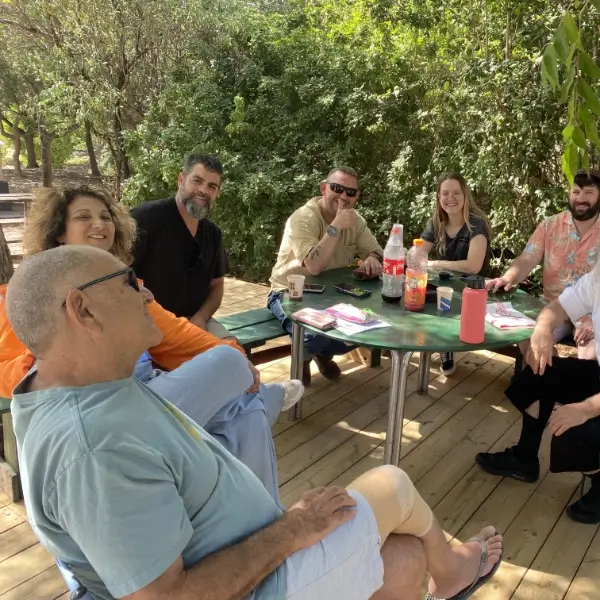
בבסיס התפיסה של העמותה היא שהטיפול לא עומד לבדו אלא שיש גם קהילה תומכת ושיקומית שמלווה ומסייעת לאדם להתמודד עם הקשיים והאתגרים של חייו. הקהילה שם בשביל האדם ברגעים הקשים והגישה הבלתי אמצעית הזאת מאפשרת דיאלוג שאנשי מקצוע לא יכולים לייצר.
או במילותיו של המשורר אמי גלבוע: "פתאום קם אדם בבוקר ומחליט שהוא עם ומתחיל ללכת".
תפיסה זו גורסת כי מדיניות צריכה להיקבע תוך השתתפות ישירה של חברי הקבוצה המושפעים על ידה. הסלוגן מתייחס בעיקר לקביעת מדיניות הרלוונטית לקבוצות מודרות (למשל: מדיניות בנושאי עוני, מיעוטים, אנשים עם מוגבלות, נשים ועוד) שלעיתים קרובות נעדרות הזדמנויות פוליטיות, חברתיות וכלכליות.
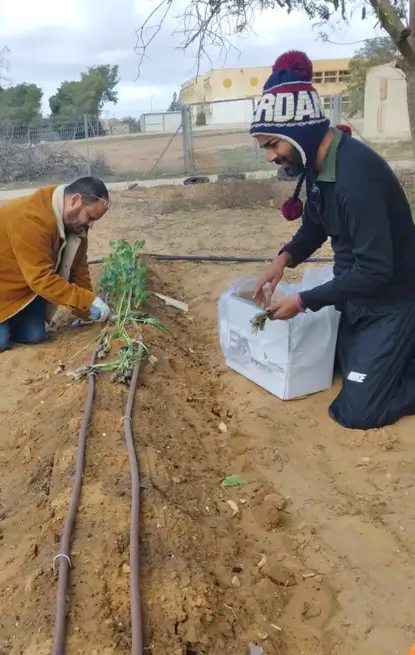
החל משנות ה – 2000 נעשה שימוש בגישה זו גם בתחום הרפואה ובריאות הנפש. כחלק מהשיקום, חברי העמותה לוקחים חלק בבינוי המבנה אחזקתו ושימורו, כמו גם לוקחים חלק בהסברה של הפוסט טראומה לבתי ספר וארגונים. מקבלי השירות בעמותה לוקחים חלק בכל ההחלטות ושותפים להתקדמות העמותה.